
Deep Dive
The Story Behind The Verse: The Levite Who Could Not Go Home
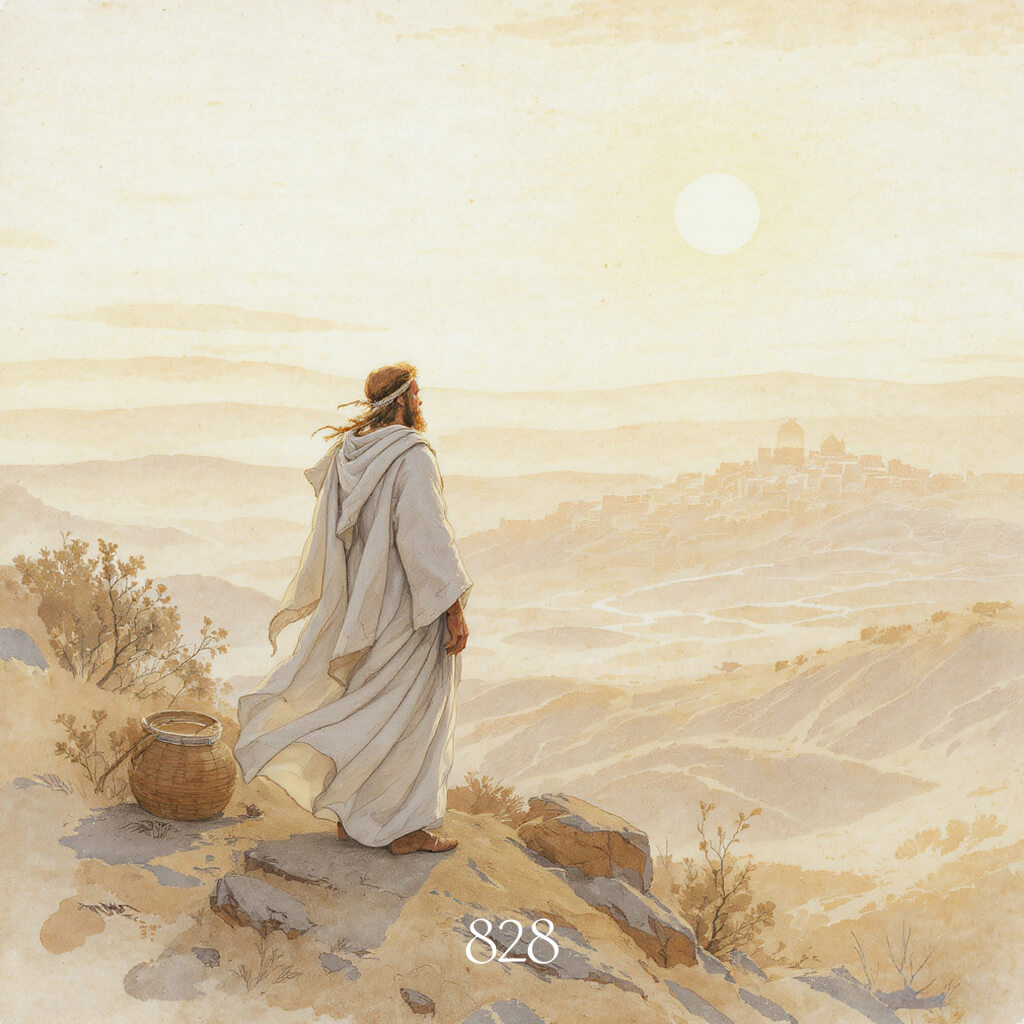
What would you do if you were banned from the one place you loved most?
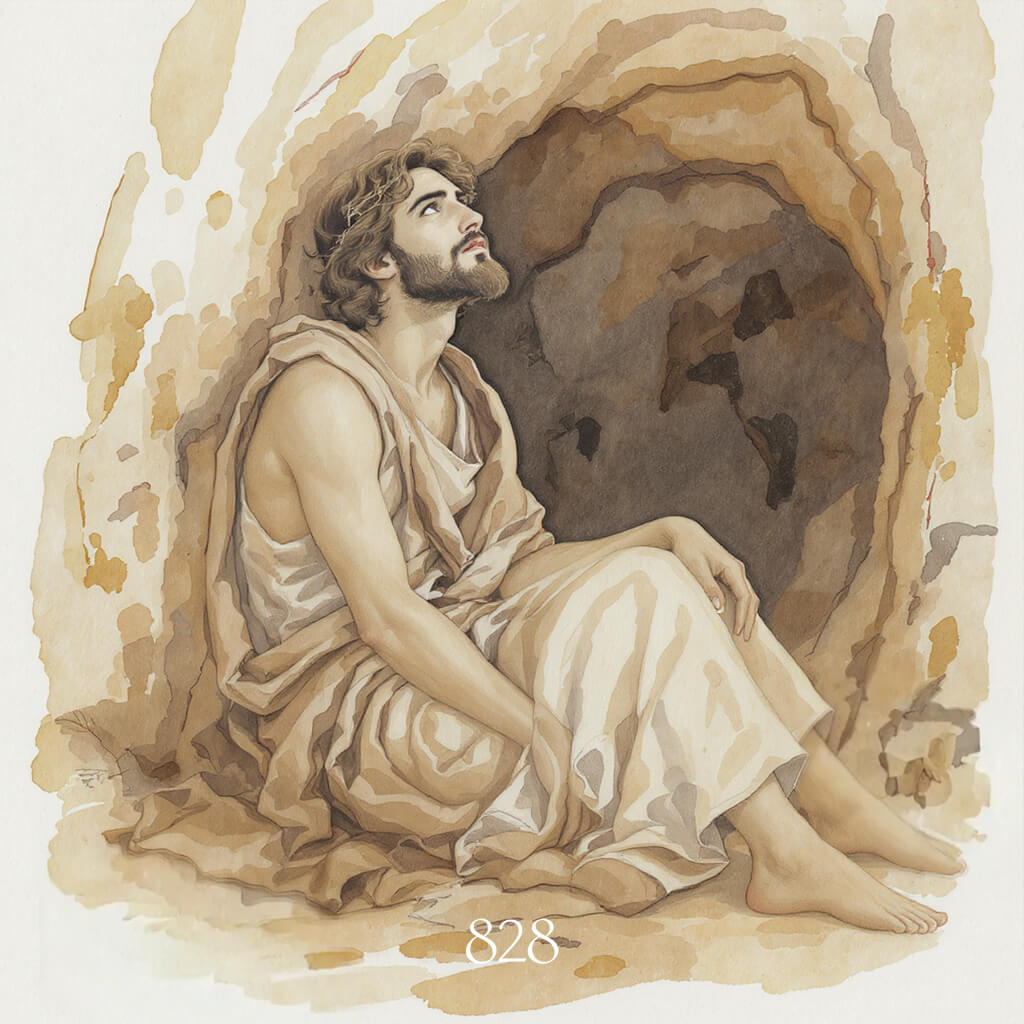
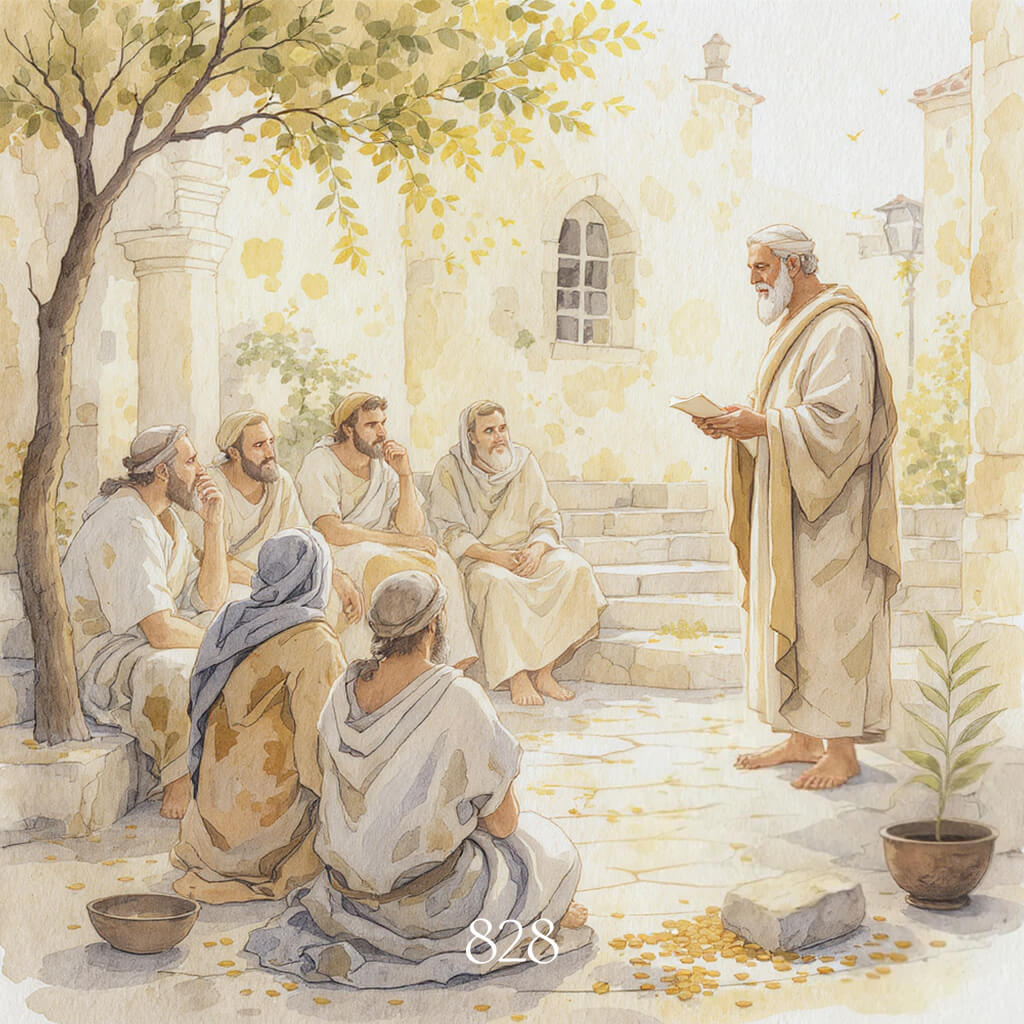
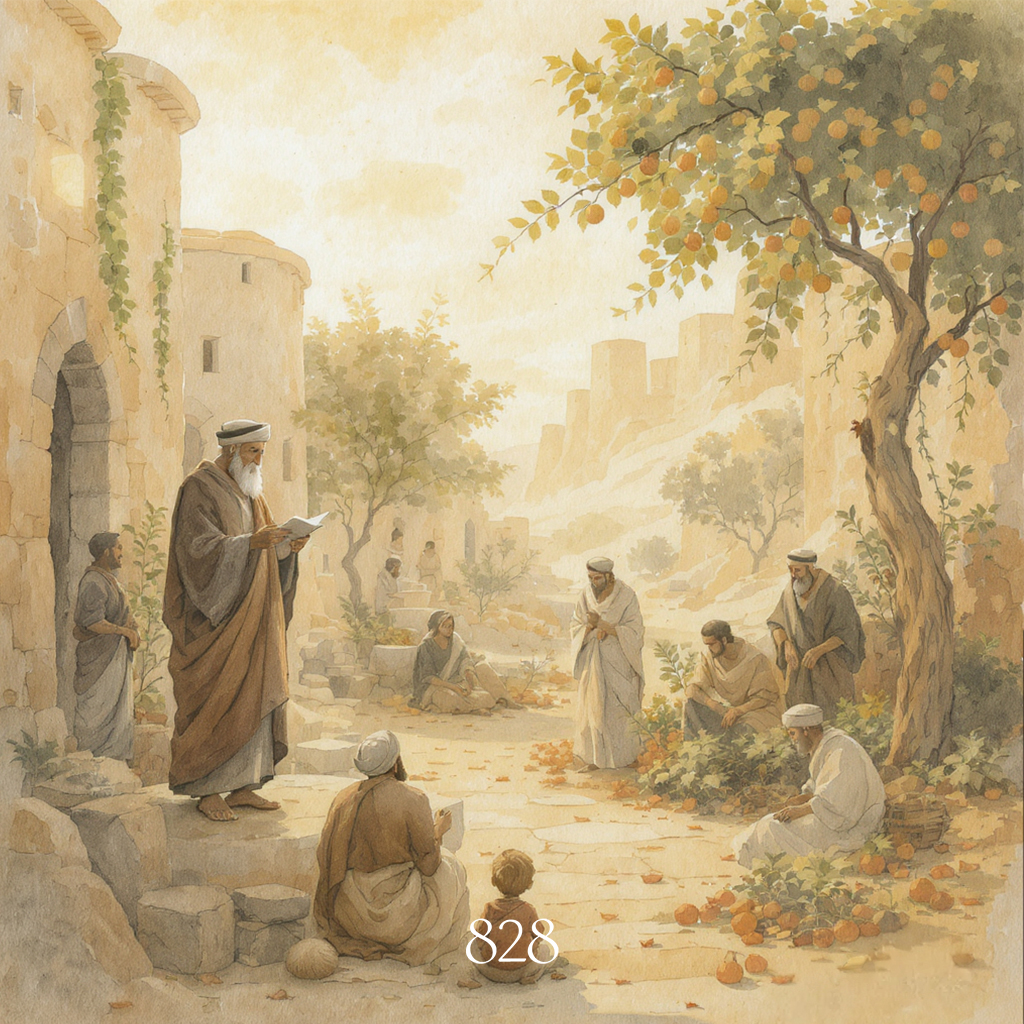
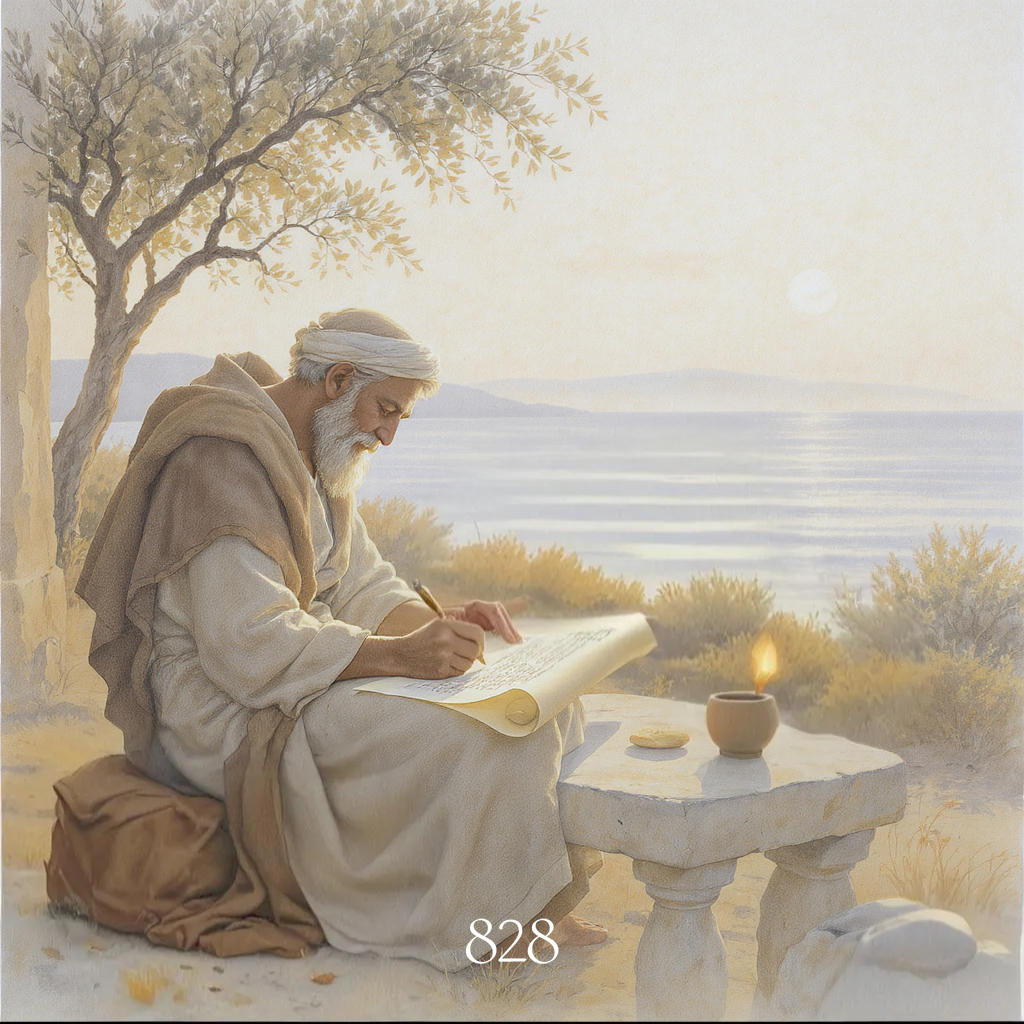
The Sons of Korah wrote this psalm. They were Levites, temple musicians who lived for one thing: being in God's presence at the temple in Jerusalem. Their entire identity was wrapped up in serving God in His house.
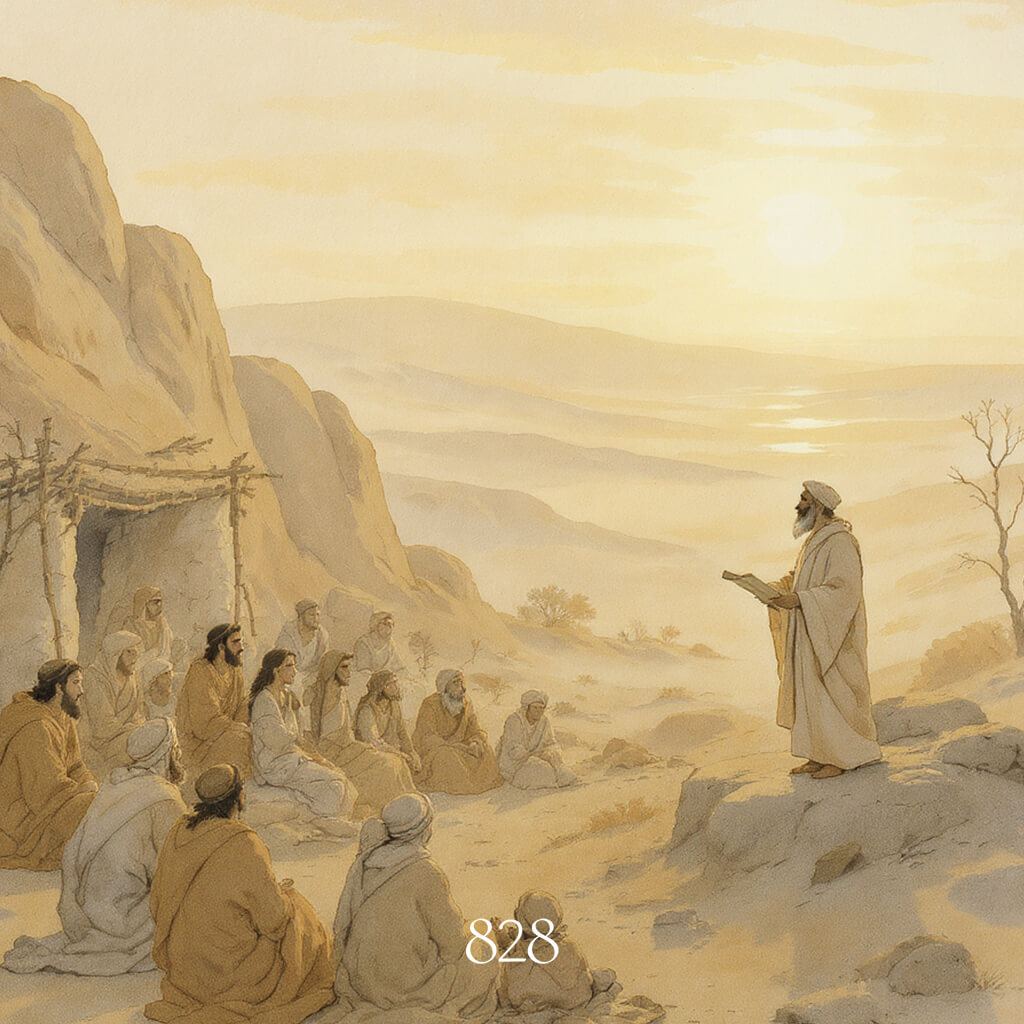
But something happened. Scholars believe this psalm was written during a time of exile or forced separation from the temple. Perhaps during Absalom's rebellion (around 1000 BC), when David and his loyal followers, including the Levites, had to flee Jerusalem. Or perhaps during the Babylonian threat, when access to the temple became impossible.
Imagine their pain. These were men whose whole life revolved around the temple courts. Every morning they would wake to serve. Every evening they would sing praises. The temple was not just their workplace. It was where they met God. And now they could not go.
In verse 2, they cry out: "My soul longs, yes, even faints for the courts of Yahweh. My heart and my flesh cry out for the living God."
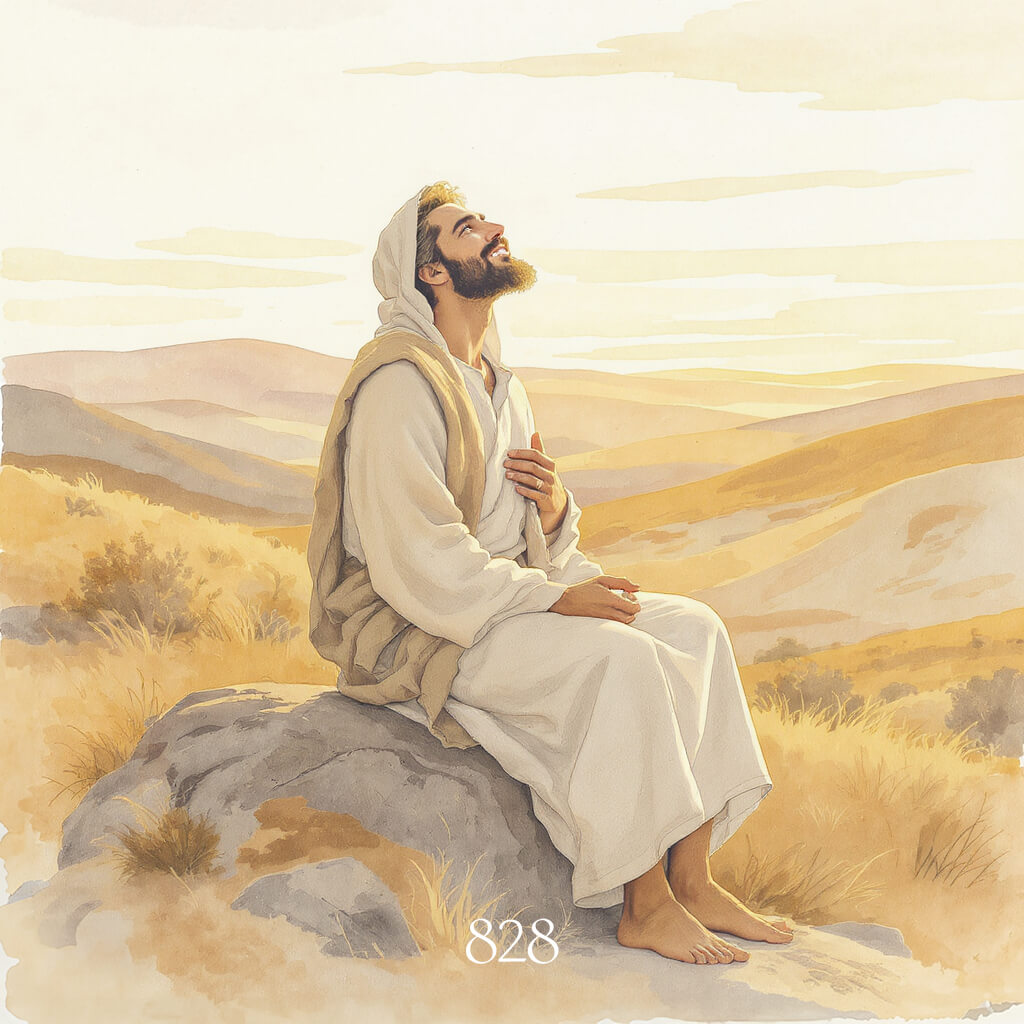
This was not casual disappointment. This was anguish. Physical longing. Their bodies ached for God's presence.
And yet, in the middle of this painful separation, they wrote verse 11.
"For Yahweh God is a sun and a shield."
Notice what they discovered. Even when they could not access the temple building, they could still access God Himself. Even when the physical place of worship was taken away, the God they worshipped was still with them.
God as sun. In the ancient Near East, many nations worshipped the sun as a god. But the Israelites knew better. The sun is not God. God is like the sun. He provides what the sun provides, but infinitely more. Light for direction. Warmth for life. Energy for growth. The sun rises every morning without fail. God's faithfulness is even more reliable.
God as shield. The Hebrew word is "magen," the small defensive shield a soldier held in close combat. This is personal protection, not a distant wall. God does not protect from far away. He stands close, absorbing attacks meant for you.
The Sons of Korah learned something powerful in their exile. They could lose the building but not the Builder. They could be separated from the temple but not from God. He was still their sun. He was still their shield.
This changes everything. You may feel far from God right now. Circumstances may have pulled you away from where you want to be spiritually. But God has not moved. He is still your light. He is still your protection. He still withholds nothing good from those who walk with Him.
What It Means
"For Yahweh God is a sun" (כִּי שֶׁמֶשׁ וּמָגֵן יְהוָה אֱלֹהִים / ki shemesh u'magen Yahweh Elohim)
This is the only place in all of Scripture where God is called a "sun." The Hebrew word shemesh refers to the physical sun that rises each day. In the ancient world, many nations worshipped the sun as a deity, but Israel understood that the sun is not God. Rather, God is the source of what the sun provides: light for guidance, warmth for life, and energy for growth. Just as the sun rises faithfully every morning without fail, God's presence in your life is constant, reliable, and life-giving.
"And a shield" (וּמָגֵן / u'magen)
The Hebrew word magen refers to a small, handheld shield used in close combat. This shield was held directly in front of the body. The warrior and the shield moved together as one. This tells us something important about how God protects. He stands right beside you, personally positioned between you and whatever would harm you. This is active, up-close protection.
"Yahweh will give grace and glory" (חֵן וְכָבוֹד יִתֵּן יְהוָה / chen v'kavod yiten Yahweh)
The Hebrew word chen means grace, favor, and kindness that is freely given. It is a gift. The word kavod means glory, and it comes from a root meaning "heavy" or "weighty." In Hebrew culture, a person of kavod was someone of significance and importance. God gives you both: favor freely given and real significance. Your life is meaningful because God Himself gives you grace and glory.
"He withholds no good thing" (לֹא יִמְנַע־טוֹב / lo yimna-tov)
The Hebrew word mana means to withhold, hold back, or refuse to give. God promises that He will not hold back anything that is genuinely good for you. He knows the difference between what you desire and what you need. What is good for you He will not withhold.
"From those who walk blamelessly" (לַהֹלְכִים בְּתָמִים / laholkhim betamim)
The Hebrew word tamim means complete, whole, and full of integrity. It describes someone whose heart is fully directed toward God, even when they stumble along the way. This is about consistent direction. The promise is for those who walk with God wholeheartedly. God sees your heart's direction, and He responds to your genuine devotion.
Claim This Promise
I declare that the words of Psalm 84:11 are true in my life.
- God is my sun. He gives me light and everything I need to thrive.
- God is my shield. He protects me.
- God gives me grace and glory.
- God withholds nothing good from me.
Today's Prayer
God,
Sometimes I feel like I am walking in darkness. I cannot see where to go. I wonder if good things will come my way.
Today, I choose to believe Your promise. You are my sun. You give me light to see my path. You give me warmth to keep going. You are my shield. You stand between me and what would harm me.
May I truly experience you being my sun and shield. May I experience more of your goodness and know you more so that later I can testify of your goodness to others.
Thank You for grace and glory you have freely given to me. Thank You that every good thing I truly need.
Help me walk wholeheartedly before You.
In Jesus' name I pray, Amen.
Share This Message
Do you know someone who is going through a difficult season right now?
Share this with them and say, "God promises to be your light and your shield." Your simple act of sharing could remind them that God withholds nothing good from those who walk with Him.