
Psalm 30:2

All Things Together for Good ·
Deep Dive
The Story Behind The Verse: From Desperate Cry to Songs of Praise
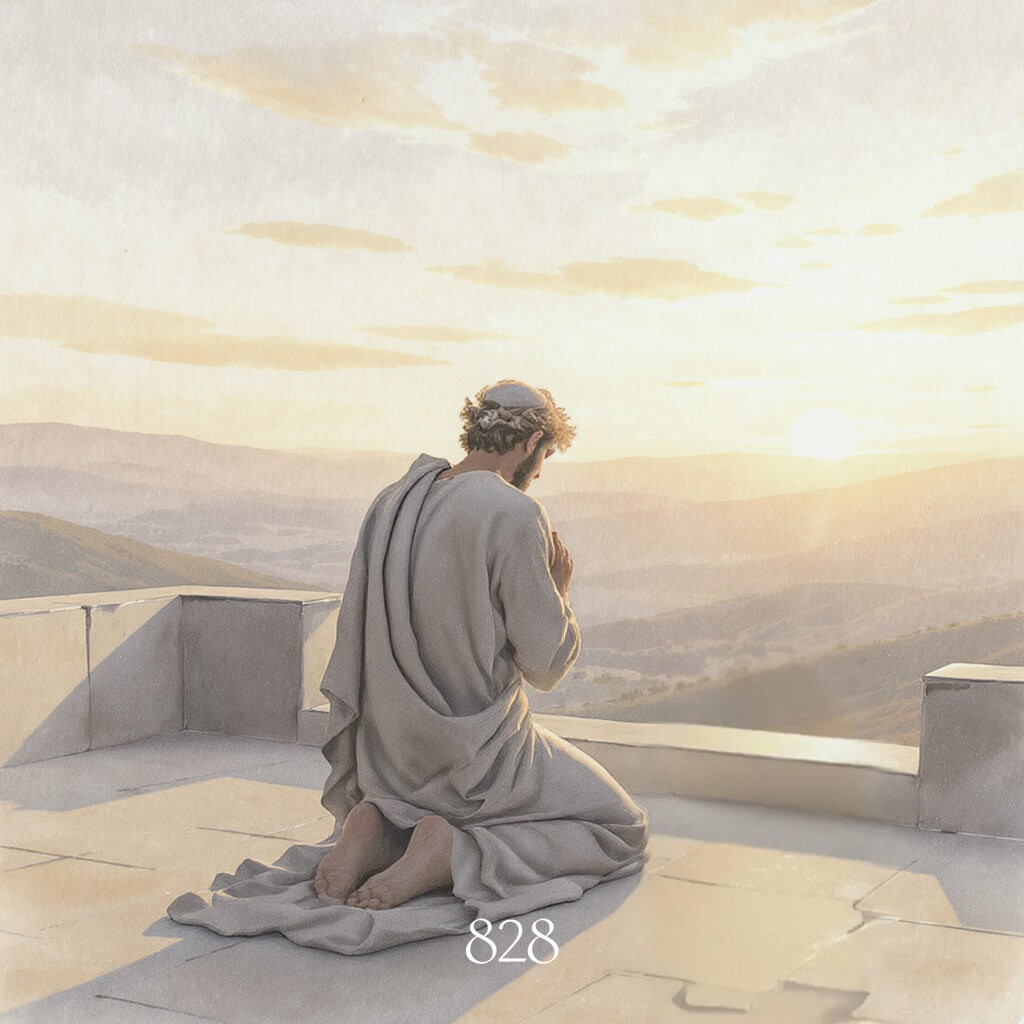
David wrote Psalm 30 for the dedication of the temple in Jerusalem. The superscript describes it as "A Song for the Dedication of the Temple." It was composed as a song of celebration, marking a significant moment of worship and restoration.
David opens the psalm by describing a season of suffering. He had been brought low, so low that he described it as descending toward Sheol, the realm of the dead. In that dark place, he cried out to God. And God heard him and brought him up.
Psalm 30 goes beyond the time of suffering to the time of restoration. In verse 4, David calls others to join him in praise, declaring that God's favor lasts a lifetime. Though weeping may last through the night, joy comes in the morning.
In verses 8 and 9, we see something beautiful about how David approached God in his struggle. He did not simply ask for relief. He expresses his desire to glorify God, asking what purpose his death would serve and who would then declare God's faithfulness. David's heart even in hardship was turned toward God's glory.
And then in verses 11 and 12, the full picture of restoration unfolds. God turned his mourning into dancing. The sackcloth of grief was removed and he was clothed with joy. David could no longer stay silent. His heart had to sing.
Psalm 30 is a testimony of God's healing. David looked back at what he had been through and declared that God had restored him completely, not just physically but in joy, in praise, and in purpose. The God who healed and restored David is the same God who is ready to heal and restore you today.
What It Means
"Lord my God" (יְהוָה אֱלֹהָי / Yahweh Elohai)
Yahweh is God's covenant name, revealed to Moses as "I AM WHO I AM" (Exodus 3:14). Elohai means "my God," making this expression deeply personal. David is not addressing a distant or unfamiliar deity. He is calling on his own God, the One who knows him by name and has made a covenant with him. This combination of names expresses both the greatness of God and the closeness of their relationship.
"I cried to you" (שִׁוַּעְתִּי / shivvati)
Shivvati comes from the root shawa, which means to cry out loudly for help. Shawa is the cry of someone in crisis when strength is gone and desperation takes over. David brought his honest need before God, and God responded.
"And you have healed me" (וַתִּרְפָּאֵנִי / vatirpa'eni)
Rapha means to heal and to restore to wholeness. In Exodus 15:26, God revealed Himself as Yahweh Rapha, the God who heals. The word vatirpa'eni is past tense, describing a completed action. David is not expressing hope for future healing. He is testifying to healing already received. What God did for David becomes the promise for those who cry out to Him today.
Claim This Promise
I declare that the words of Psalm 30:2 are true in my life.
- • The Lord is my God, and He hears my cry.
- • God heals me completely.
- • This season will become a testimony of God's healing power.
Today's Prayer
God,
Thank You that You hear my cry and that You are the God who heals.
Today I receive the testimony of David. When he cried out to You in desperation, You heard him, healed him, and turned his mourning into dancing.
I cry out to You now. My body needs healing. My heart carries wounds I have not been able to mend on my own. My soul is weary. Hear me, God.
When healing feels far away, remind me that You are Yahweh Rapha, the God who heals. When I cannot see past this season of pain, remind me that joy comes in the morning.
When I look back on this season, may I praise You. May what I am walking through become a testimony of Your faithfulness. Like David, may I one day stand and declare that You turned my mourning into dancing.
You are the God who heals, and I trust You. Thank You for Your faithfulness.
In Jesus' name I pray, Amen.
Share This Message
Do you know someone who has cried out to God and is waiting to know if He truly hears?
Share this with them and say, "God hears your cry." Your simple act of sharing could be the reminder they need that the God who heard David hears them too.