Psalm 147:3
All Things Together for Good ·
A Message Has Arrived for You
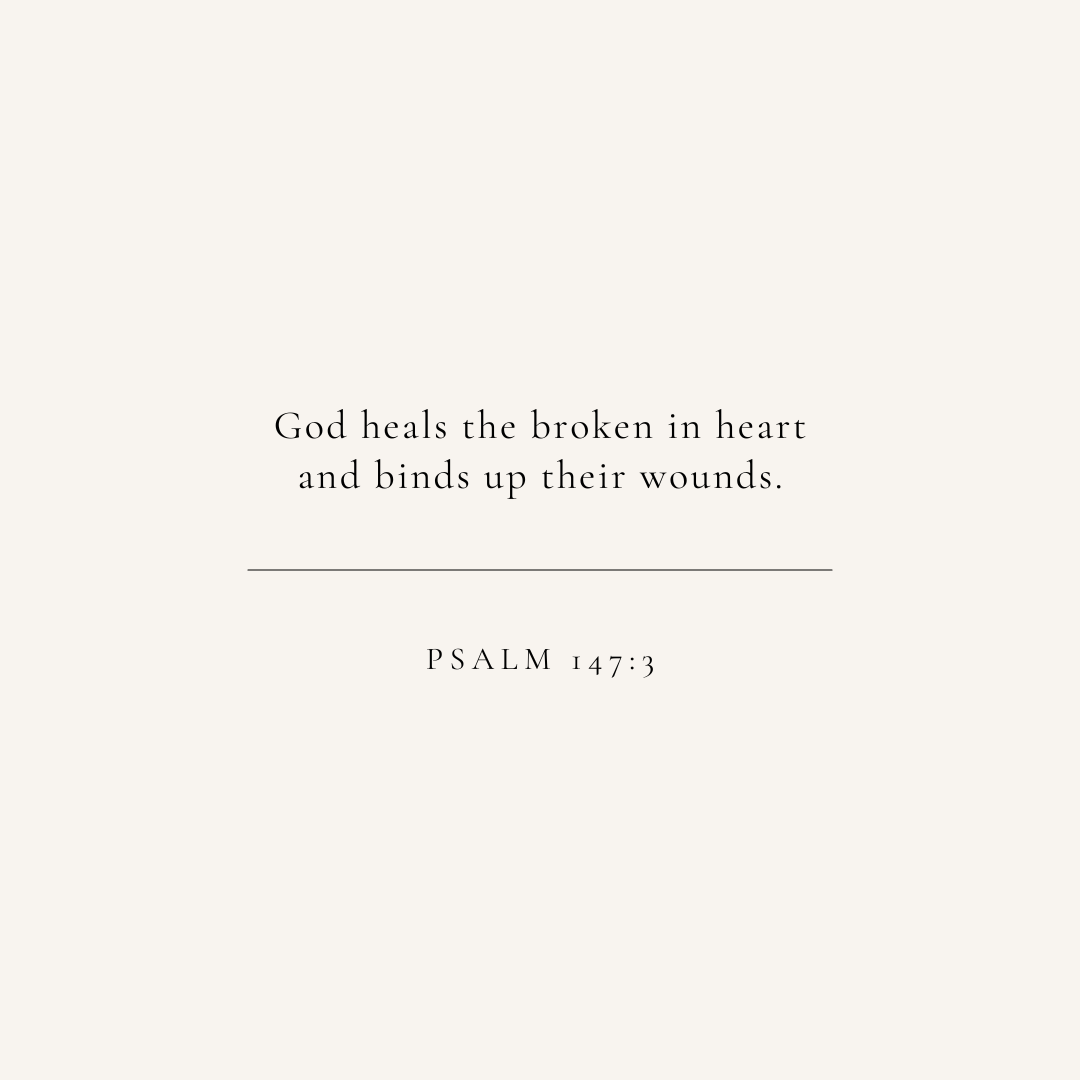
These are God's promises for you today:
"I heal the broken in heart"
"I bind up their wounds"
Have you ever wondered whether God sees your pain?
He sees you. He wants to heal what has been broken and bind up your wounds. He is the majestic and all-powerful God who holds the universe in His hands and directs the course of nations. Yet He is also a personal God, and He heals those who come to Him.
So always remember this:
You are not too small for God's attention.
God heals your broken heart with great care.
He binds up your wounds.
Deep Dive
The Story Behind The Verse: A Song of Praise from the Other Side
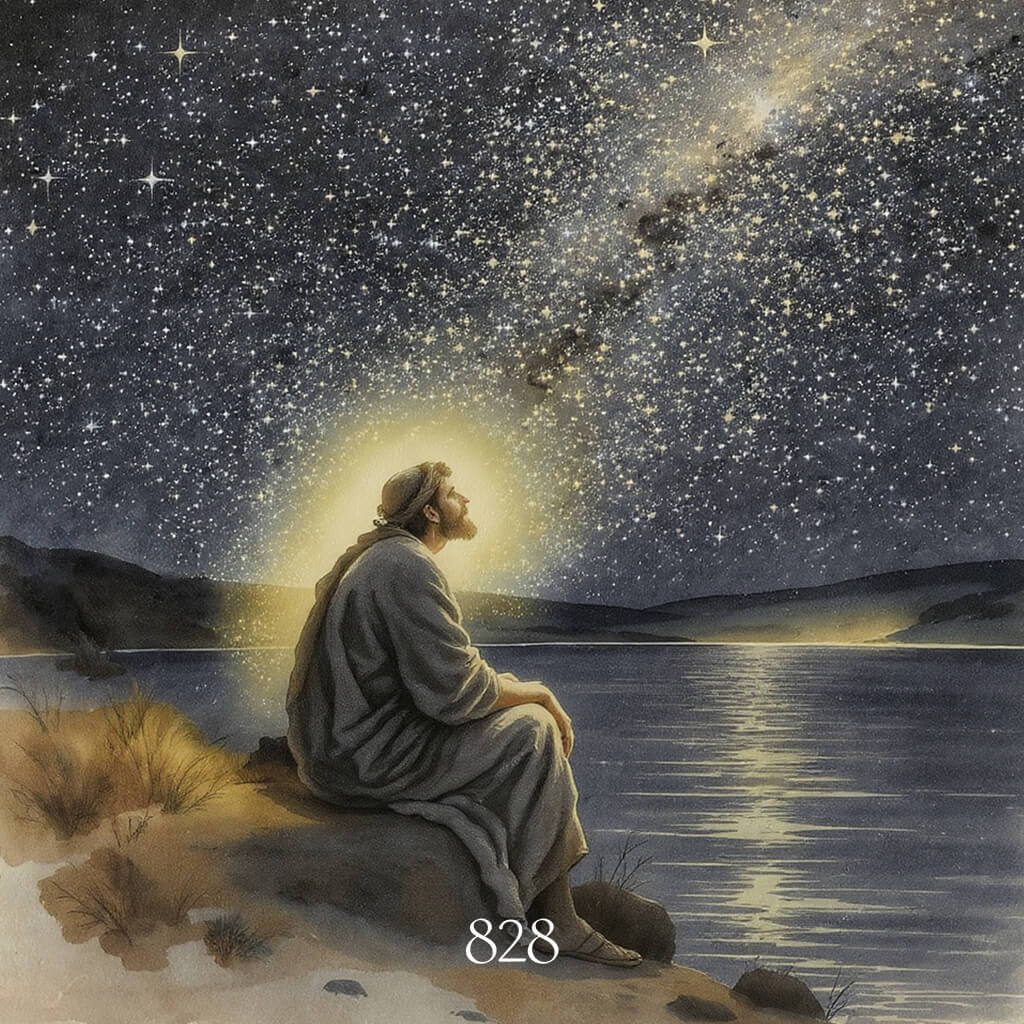
Around 515 BC, the Jewish exiles were finally returning home from Babylon after nearly fifty years of captivity. Their city had been destroyed, their temple burned, and everything familiar was gone.
Psalm 147 is a song of praise that rises out of that context. The psalm praises God as the one who gathered the exiles and brought them home. As the exiles return, healing is happening at the national level. God also heals at the individual level, tending to those who are broken in heart and binding up their wounds.
The psalm then declares that God numbers every star and calls each one by name. His understanding has no limit. He is great in power. He lifts up the humble and brings the wicked low. The psalm goes on to praise God as provider, sustainer, and protector. He gives rain, grows food, strengthens the gates of His people, and brings peace. He is powerful enough to command the forces of nature and personal enough to delight in those who trust Him.
Psalm 147 is the praise of people who discovered that the God who governs the cosmos had been watching over them through every year of their suffering. And now, standing on the other side, all they could do was praise. The God they praised is the same God who tends to your heart today.
What It Means
"He heals the broken in heart" (רוֹפֵא לִשְׁבוּרֵי לֵב / rofe lishvurei lev)
Rofe is a participle meaning "healer," describing not just what God does but who He is. Shavar means to break or shatter, often used to describe something broken beyond repair. Lev means heart, the core of a person's thoughts, emotions, and will. God is the healer of those whose hearts are deeply broken, wounded in ways that feel beyond human repair.
"And binds up their wounds" (וּמְחַבֵּשׁ לְעַצְּבוֹתָם / umkhabesh le'atzevotam)
Chavash means to bind or bandage, often used to describe the care of wounds. This describes intentional and attentive care. Atzevot means pains, sorrows, or griefs. God does not simply acknowledge your pain from a distance. He meets you where you are and tends to your pain with care.
Claim This Promise
I declare that the words of Psalm 147:3 are true in my life.
- • God sees me and cares for me.
- • God heals my broken heart.
- • God binds up my wounds.
Today's Prayer
God,
Thank You that I am seen and loved by You.
I have at times wondered whether You truly cared about what I was going through, but today I receive Your truth. There are places in me that have been broken for a long time, and I have wondered whether healing was truly possible.
Today I hold on to the truth of this psalm: You are the God who heals the broken in heart and tends to their wounds. You are the God who restored an entire nation from captivity, and You are the same God who tends to one broken heart. Nothing is beyond Your reach and nothing is too small for Your care.
I trust You with what is broken in me. Heal my broken heart.
Tend to the places that feel beyond repair.
In Jesus' name I pray, Amen.
Share This Message
Do you know someone who feels invisible in their pain?
Share this with them and say, "God sees your pain, and He cares for you deeply. He will bring you healing." Your simple act of sharing could be the reminder they need that they are seen, known, and tenderly cared for.