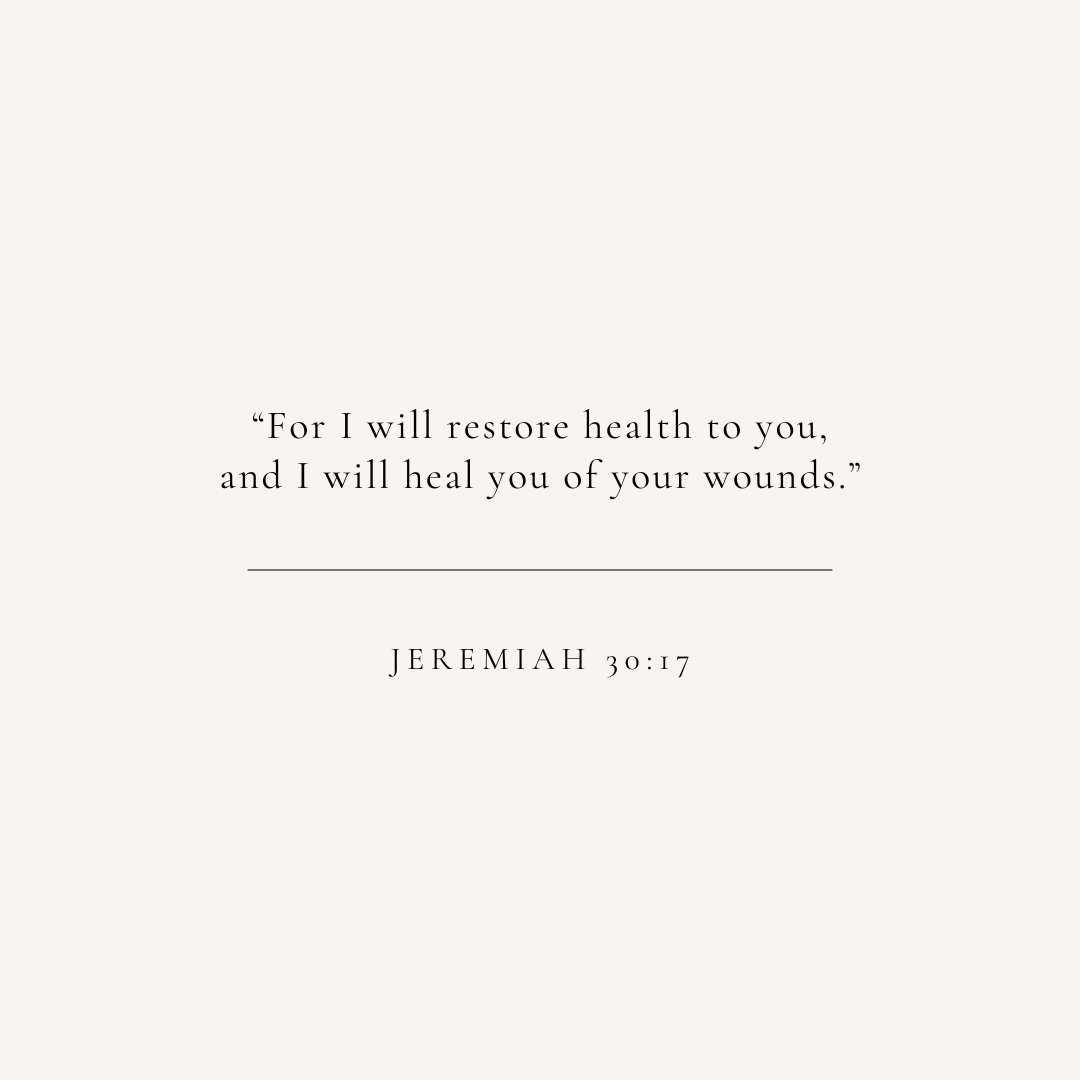
Jeremiah 30:17
All Things Together for Good ·
Deep Dive
The Story Behind The Verse: God the Healer
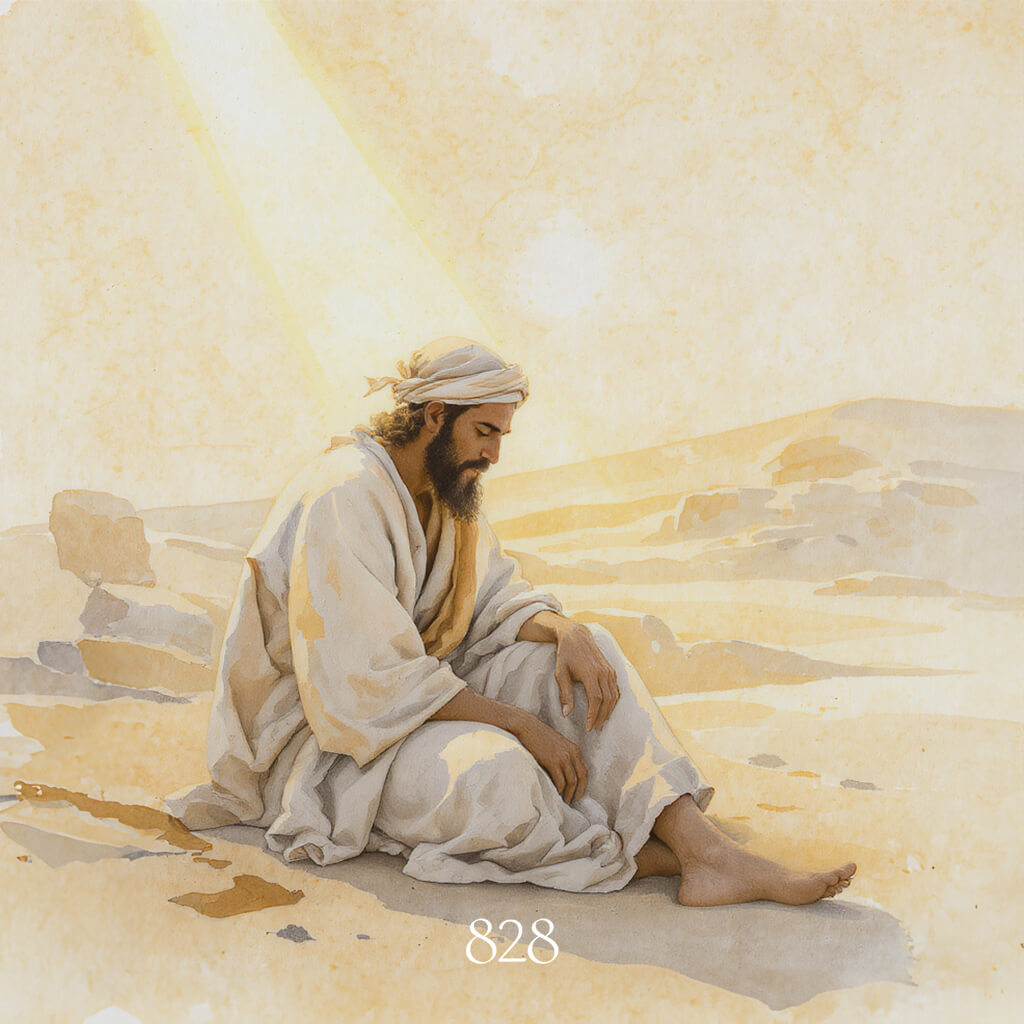
Jeremiah 30 is part of what is known as the "Book of Consolation" (Jeremiah 30-33), a section where God shifts from judgment to promises of restoration. God tells Jeremiah to write down His words. He wanted these promises preserved in writing, not just spoken (Jeremiah 30:2-3).
The chapter begins by acknowledging the pain. God describes the current distress of His people as "a time of trouble for Jacob" (Jeremiah 30:7). The people are in anguish and fear.
Then in verses 12-15, God speaks about the wounds. He says "Your hurt is incurable. Your wound is grievous." He says, "You have no healing medicines." He speaks of the pain that His people are going through.
Then the turning point happens in verse 16 when God takes action on behalf of His people. He promises judgment on those who devoured them: "all those who devour you will be devoured." God has turned things around for Israel. God is now fighting for them.
In verse 17, God turns to His wounded people and says, "For I will restore health to you, and I will heal you of your wounds." What was impossible to restore by human means, God Himself restores. He went beyond serving justice and dealing with those who hurt His people. He was committed to personally restoring them.
The chapter then describes what full restoration looks like. The city will be rebuilt. There will be thanksgiving and celebration. The covenant relationship will be restored: "You shall be my people, and I will be your God" (Jeremiah 30:22).
The same God who healed what no one else could is your God today. Whatever wounds you have, bring it before Him. He sees you, understands you, and promises to restore you.
What It Means
"I will restore health to you" (כִּי אַעֲלֶה אֲרֻכָה לָךְ / ki a'aleh arukah lakh)
The Hebrew word arukah means healing, restoration, and the formation of new flesh. This is a medical term describing how wounds heal from the inside out, with new tissue gradually growing over the damaged area. The verb alah means to rise up or to grow. Together they paint a picture of new flesh rising up from within the wound, slowly and surely restoring what was damaged.
"I will heal you of your wounds" (וּמִמַּכּוֹתַיִךְ אֶרְפָּאֵךְ / umimmakkotayikh erpa'ekh)
Makkah refers to wounds and injuries that leave lasting damage. The plural form indicates multiple wounds, layer upon layer of pain. Rapha is the Hebrew word meaning to heal, to cure, to make whole. This is the same root word found in Exodus 15:26 where God declares, "I am the LORD who heals you" (Yahweh Rophe). Healing is not just what God does. It is who God is.
Claim This Promise
I declare that the words of Jeremiah 30:17 are true in my life.
- • God is restoring me.
- • God is healing me of my wounds.
- • What is beyond healing by human means, God Himself heals.
Today's Prayer
God,
Thank You for promising to restore me and to heal me of my wounds.
I have at times believed my wounds were too deep to heal. I have tried to heal on my own and have looked for help from others, only to be disappointed.
Today, I receive Your promise. I bring every wound to You, even the ones I have hidden for years. Perhaps there are even wounds I am not yet aware of. Bring those to light in Your gentle, loving way and guide me through the process of restoration.
Thank You for healing what is impossible by human means. I trust that You are at work today. New flesh is growing over old wounds. Deep healing is happening where there was only pain.
I am being healed by Yahweh Rophe, the God who heals.
In Jesus' name I pray, Amen.
Share This Message
Do you know someone carrying wounds that have not yet healed? Someone who feels forgotten or overlooked in their pain?
Share this with them and say, "God promises to restore you and heal you of your wounds." Your simple act of sharing could remind them that they matter to God.