1 Samuel 2:8

All Things Together for Good ·
Deep Dive
The Story Behind The Verse: Hannah's Song
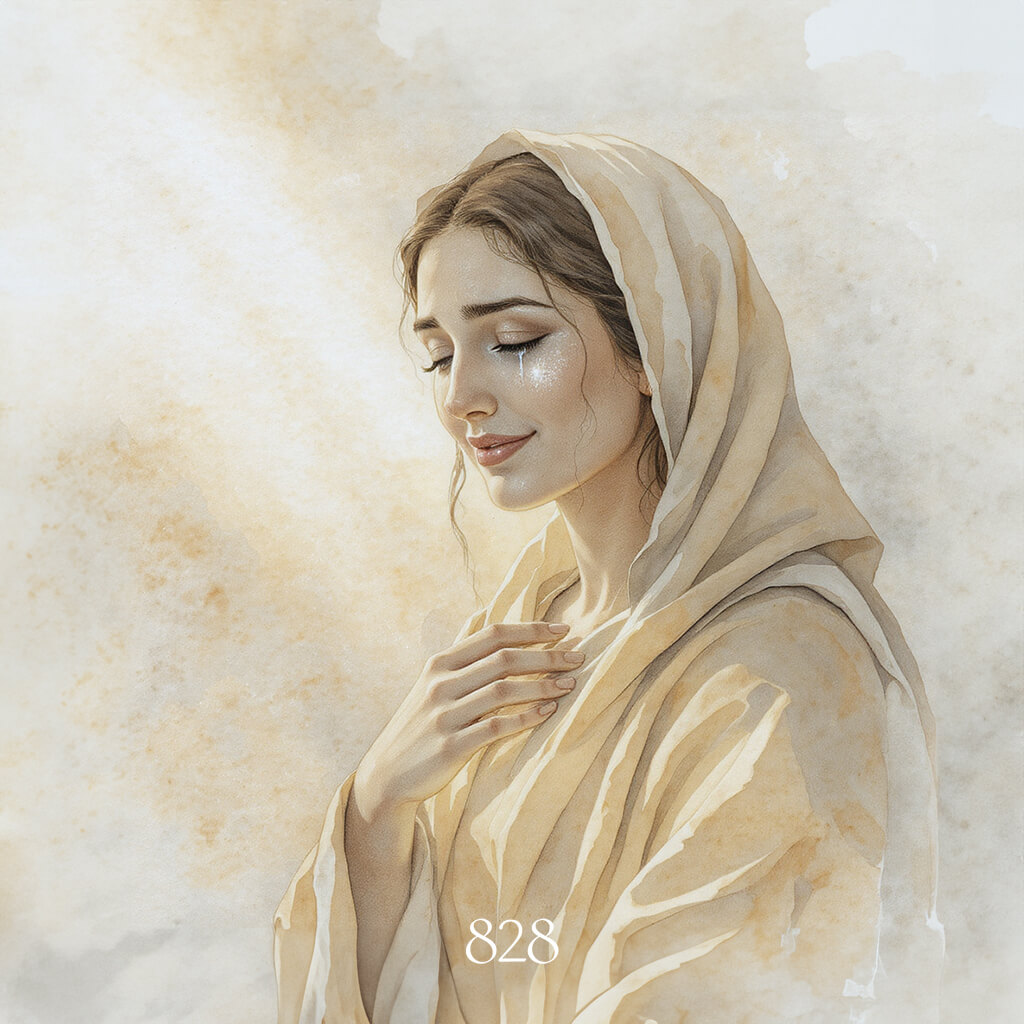
In ancient Israel, a woman's ability to bear children was closely tied to how she was seen by her community. A woman without children carried shame in her community and was often looked upon with pity or scorn. Hannah had been barren for years. Her husband's other wife, Peninnah, had multiple children and constantly reminded Hannah of her barrenness.
Deeply distressed and troubled in spirit, Hannah went to the tabernacle at Shiloh and poured out her heart to God. She was earnest before God. She prayed for a son and vowed to give him back to God.
God heard her prayer. In 1 Samuel 1:19, the Scripture says, "the Lord remembered her." She conceived and gave birth to a son. She named him Samuel, which means "heard by God" in Hebrew. When her child was weaned, she dedicated her son to God so that he could serve in the house of God. In 1 Samuel 1:27-28, Hannah says, "For this child I prayed, and the Lord has granted me my petition that I made to him. Therefore I have lent him to the Lord. As long as he lives, he is lent to the Lord." Hannah asked God for Samuel, and now she gives him back to the Lord.
After dedicating her son to God, Hannah sang a song of praise. She sang about who God is and how He works. She sang, "He raises up the poor out of the dust. He lifts up the needy from the ash heap to make them sit with princes and inherit the throne of glory." (1 Samuel 2:8). Hannah sang this because she had experienced it. She had been the one in the dust, the one looked down upon, the one who had nothing. And God lifted her. After she gave Samuel back to God, the LORD blessed her with three more sons and two daughters (1 Samuel 2:21). This is who God is. He hears, He lifts, and He gives beyond what we ask.
The son she gave back to God became the prophet Samuel, one of the most significant figures in Israel's history. He anointed the first two kings of Israel. The child asked for in prayer and given back in faith became a pillar of an entire nation. The same God who heard Hannah and lifted her from shame hears you today. He hears your prayers, and He will answer with His perfect goodness and care for you.
What It Means
"He raises up the poor out of the dust" (מֵקִים מֵעָפָר דָּל / meqim me'afar dal)
Meqim comes from the root qum, meaning to rise, stand, or be established. In this form, it describes God raising someone up, an intentional act of restoration. Afar means dust, the lowest possible state. Humanity was formed from it and returns to it. To be in the dust is to be brought low. Dal refers to the poor, the weak, or the powerless, those who lack the ability to change their own condition. God sees them, lifts them, and gives them a new standing.
"He lifts up the needy from the ash heap" (מֵאַשְׁפֹּת יָרִים אֶבְיוֹן / me'ashpot yarim evyon)
Ashpot refers to an ash heap or refuse pile, a place associated with rejection and shame. Yarim means to lift up, exalt, or raise to a higher position. Evyon describes the needy or destitute, those who depend entirely on others for survival. He raises those who have been cast aside and brings them into a new place of dignity.
"To make them sit with princes" (לְהוֹשִׁיב עִם־נְדִיבִים / lehoshiv im-nedivim)
Lehoshiv means to cause someone to sit, to establish them in a settled and secure position. It is a deliberate placement. He seats them, giving them stability, belonging, and rest. Nedivim refers to nobles or princes, those of recognized honor and authority. The contrast is intentional. Those once in the dust are now placed among the honored.
"And inherit the throne of glory" (וְכִסֵּא כָבוֹד יַנְחִלֵם / vekisse kavod yanhilem)
Kisse means throne, a seat of power, authority, and honor. Kavod carries the idea of glory, weight, and significance, something that has true substance and value. Yanhilem comes from the root nachal, meaning to give as an inheritance. What God gives, He gives with permanence. The one who was once without standing is now given a place of lasting honor.
Claim This Promise
I declare that the words of 1 Samuel 2:8 are true in my life.
- God raises me up from the dust.
- God lifts me and seats me in places of honor.
- God gives me an inheritance of glory.
Today's Prayer
God,
Thank You for being the God who lifts us in our most vulnerable moments.
Today I receive Your promise. You raise the poor out of the dust. You lift the needy and seat them with princes. You give an inheritance of glory.
Like Hannah, I bring everything I am carrying to You. Thank You that You hear me, lift me, and provide beyond what I ask. The way and the timing of Your answers show me Your goodness. You are my good Father, and a good Father gives only what is truly best.
In Jesus' name I pray, Amen.
Share This Message
Do you know someone who needs to know that God sees and hears them, and that they can bring it all to God?
Share this with them, "God raises the poor out of the dust and seats them with princes." Your simple act of sharing could remind them that God sees them, hears them, and is ready to lift them up.