1 Peter 5:10

All Things Together for Good ·
Deep Dive
The Story Behind The Verse: A Letter to Suffering Believers
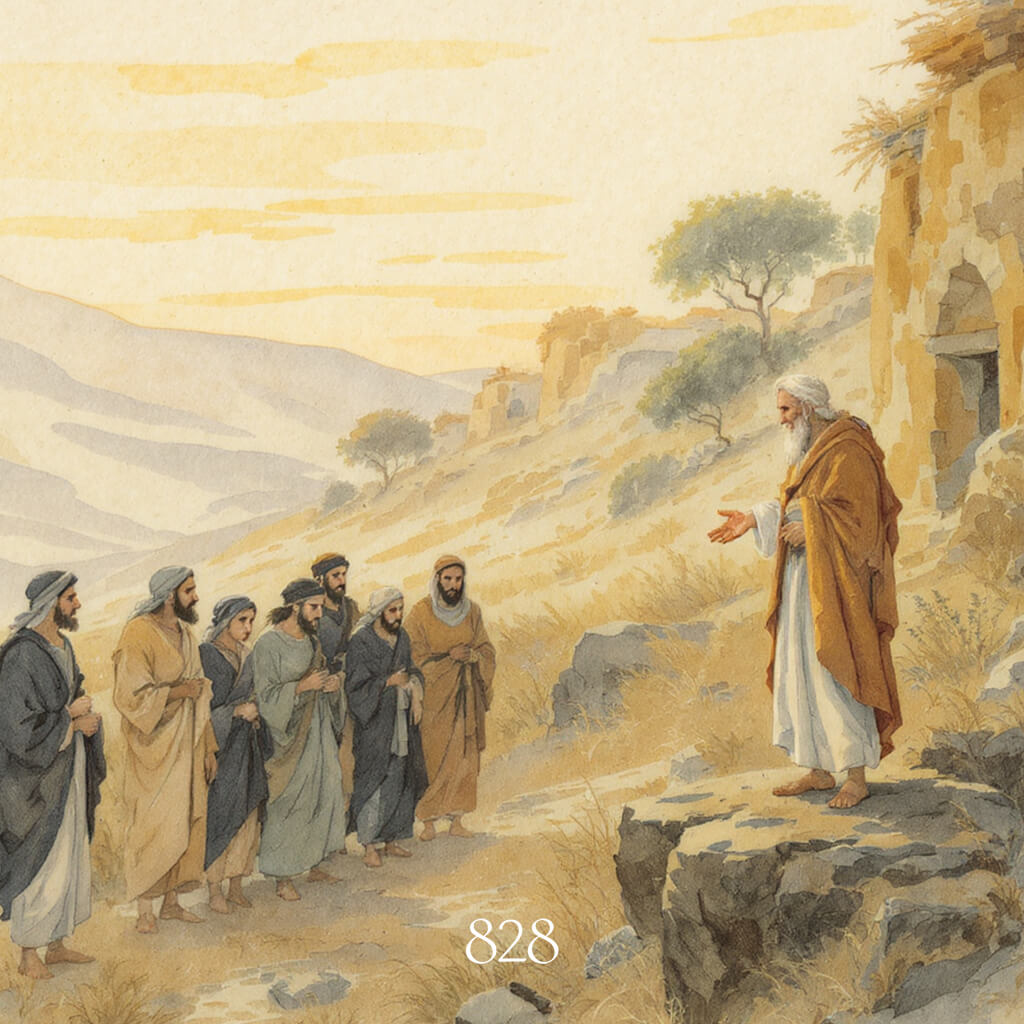
Around AD 62-64, the apostle Peter wrote a letter to Christians dispersed across Asia Minor (modern-day Turkey). They were living in a hostile environment, facing social rejection and economic hardship. They constantly felt the pressure to give up their faith.
Peter calls them "elect exiles," chosen by God yet living as foreigners among people who did not understand them. Throughout the letter, Peter validates their pain. In 1 Peter 1:6, he acknowledges they "have been grieved by various trials." In 1 Peter 4:12, he speaks of the "fiery trial" they are currently enduring.
Then, near the end of the letter, Peter offers this promise: "After you have suffered a little while, the God of all grace will perfect, establish, strengthen, and settle you."
Peter himself knew something about being restored by God. He had denied Jesus three times on the night of the crucifixion. He had abandoned Jesus in his most vulnerable moment, and he wept bitterly over his denial. After the resurrection, Jesus came to Peter. Three times Jesus asked, "Do you love me?" Each time, Peter replied, "Yes, Lord." When Jesus asked Peter three times, He healed and restored Peter from the hurt of his three denials. And Jesus recommissioned him three times to "Feed my sheep."
When Peter wrote these words to suffering believers, he wrote from personal experience. The God who strengthened him would strengthen them too. Likewise, God will also strengthen you.
What It Means
"After you have suffered a little while" (ὀλίγον παθόντας / oligon pathontas)
The word oligon means a little or a short time. The word pathontas means having suffered. Peter is putting the pain into perspective. Compared to the eternal glory ahead, this suffering is temporary. It has an end.
"Will perfect" (καταρτίσει / katartisei)
The Greek word katartizō means to make complete, to mend, or to put in order. The same form of the word is used in Matthew 4:21 when it describes James and John as "mending their nets" in the boat. Mending the nets means to clean, stitch, and prepare the nets for the next day's work. God will mend what has been broken and restore you.
"Establish" (στηρίξει / stērixei)
The Greek word stērizō means to make firm or to set solidly in place. This was the word Jesus used in Luke 22:32 when He told Peter, "When you have turned back, strengthen your brothers." God will make you firm so you do not waver.
"Strengthen" (σθενώσει / sthenosei)
The Greek word sthenoō means to fill with strength. This word appears only once in the entire New Testament. It emphasizes deep, internal strength that comes from God alone. This is the strength that allows an individual to stand firm.
"Settle" (θεμελιώσει / themeliosei)
The Greek word themelioō means to lay a foundation or to ground firmly. God will place a solid foundation beneath you.
Claim This Promise
I declare that the words of 1 Peter 5:10 are true in my life.
- My suffering will come to an end.
- God will restore me.
- He will make me firm.
- He will strengthen me from the inside out.
- He will set me on a firm foundation.
Today's Prayer
God of all grace,
Thank You for promising to restore me. During this difficult season, I have been tired and discouraged. Some days I wonder if this suffering will ever end. But you promise that this is not forever.
Today I hold onto Your promise. You will mend and heal my brokenness. You will establish me so that I stand firm. You will strengthen me from the inside out. You will set me on a firm foundation. I believe You are working even when I cannot see it.
Thank you for keeping Your word and fulfilling Your promise.
In Jesus' name I pray, Amen.
Share This Message
Do you know someone going through a difficult season right now? Someone who feels like their suffering will never end?
Share this with them and say, "Your pain is real, but it is not forever. God will restore and strengthen you." Your simple act of sharing could be the hope they need today.